Filipino American History Month 2023:
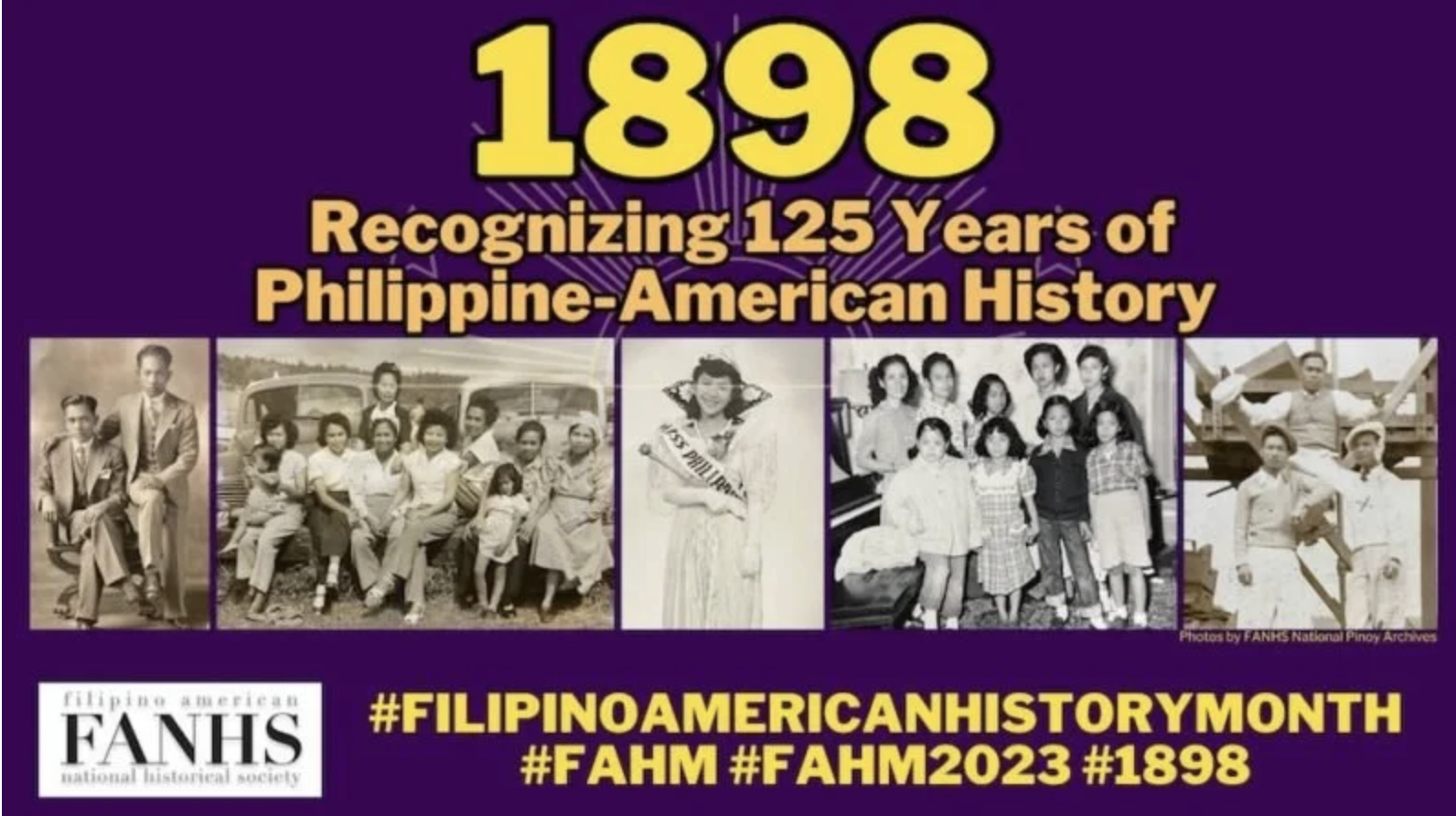
1898 — Recognizing 125 Years of Philippine-American History
The History
2023 marks 125 years since the Treaty of Paris (Dec. 10, 1898), which ended the Spanish-American War. Spain ceded the Philippines, Puerto Rico, and Guam to the U.S. (for $20 million) and granted Cuba independence, all without any Filipino representation at the negotiating table, despite the Philippines having declared independence from Spain just months earlier, on June 12, 1898.
This single treaty shaped Filipino American history in lasting ways:
Unrestricted migration: Unlike other Asian nationals barred by U.S. immigration law (1882 to 1965), Filipinos were classified as U.S. Nationals and could migrate freely, becoming a key labor source in Hawai'i and the West Coast.
Education pipelines: The Pensionado Act of 1903 sent Filipino students to American universities; many later settled in the U.S.
American-style schooling: U.S. curricula in the Philippines built English fluency, later fueling recruitment of Filipino nurses, teachers, and other professionals.
Military service: Enlistment, especially in the U.S. Navy, became a pathway to citizenship for thousands of families.
The transfer of colonial power, from Spain to the U.S., was met with continued resistance, known as the Philippine-American War (1899 to 1902, with regional fighting until 1913). The Philippines didn't gain full independence until 1946. U.S. leaders at the time, including Presidents McKinley and Taft, framed colonization in paternalistic and racially charged terms ("benevolent assimilation," "little brown brothers").
FANHS notes it deliberately uses words like "recognize" or "observe" rather than "celebrate," honoring this history's centrality to Filipino American identity without glorifying colonialism.
Ways to Observe
Imagine alternate histories: Reflect on what life might look like without U.S. colonialism in the Philippines and Hawai'i.
Collect oral histories: Document how 1898's legacy shaped migration decisions across generations and regions.
Hold critical discussions: Weigh what was gained and lost through American influence on Philippine government, language, education, and culture.
Compare colonial experiences: Host panels examining 1898's impact on Puerto Ricans, Cubans, Chamorros, and Native Hawaiians.
Study primary sources: Read the Treaty of Paris and McKinley's Benevolent Assimilation proclamation.
Watch and discuss films: Nurse Unseen, Delano Manongs, Lingua Franca, or Here Lies Love (Broadway's first all-Filipino cast show).
Examine period propaganda: Political cartoons, Kipling's "White Man's Burden," Twain's "The War Prayer," and their role in shaping colonial mentality.
Advocate for curriculum change: Push for Filipino American history in K-12 and higher ed, following Hawai'i and Seattle's lead in mandating Filipino American Studies courses.
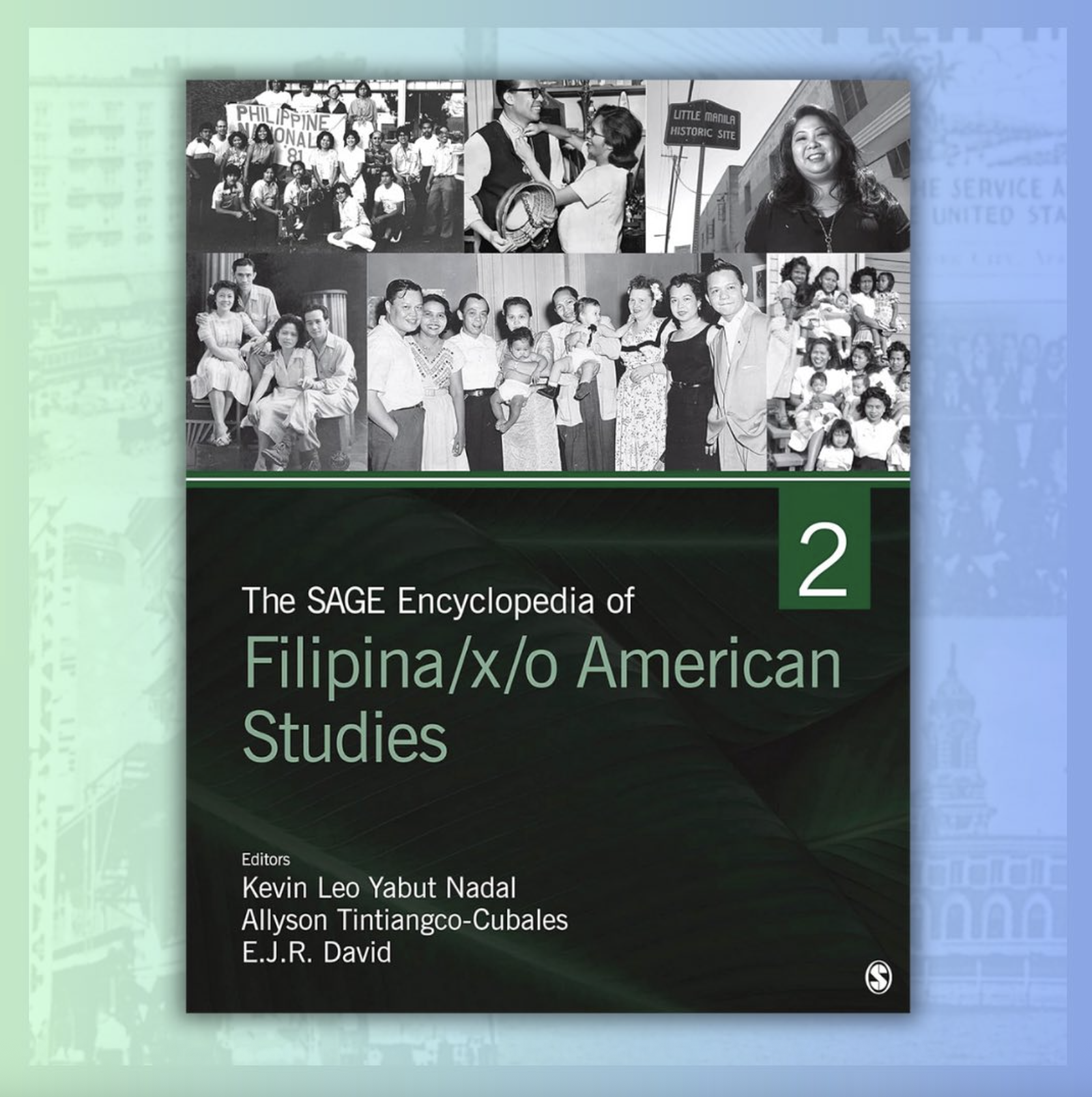
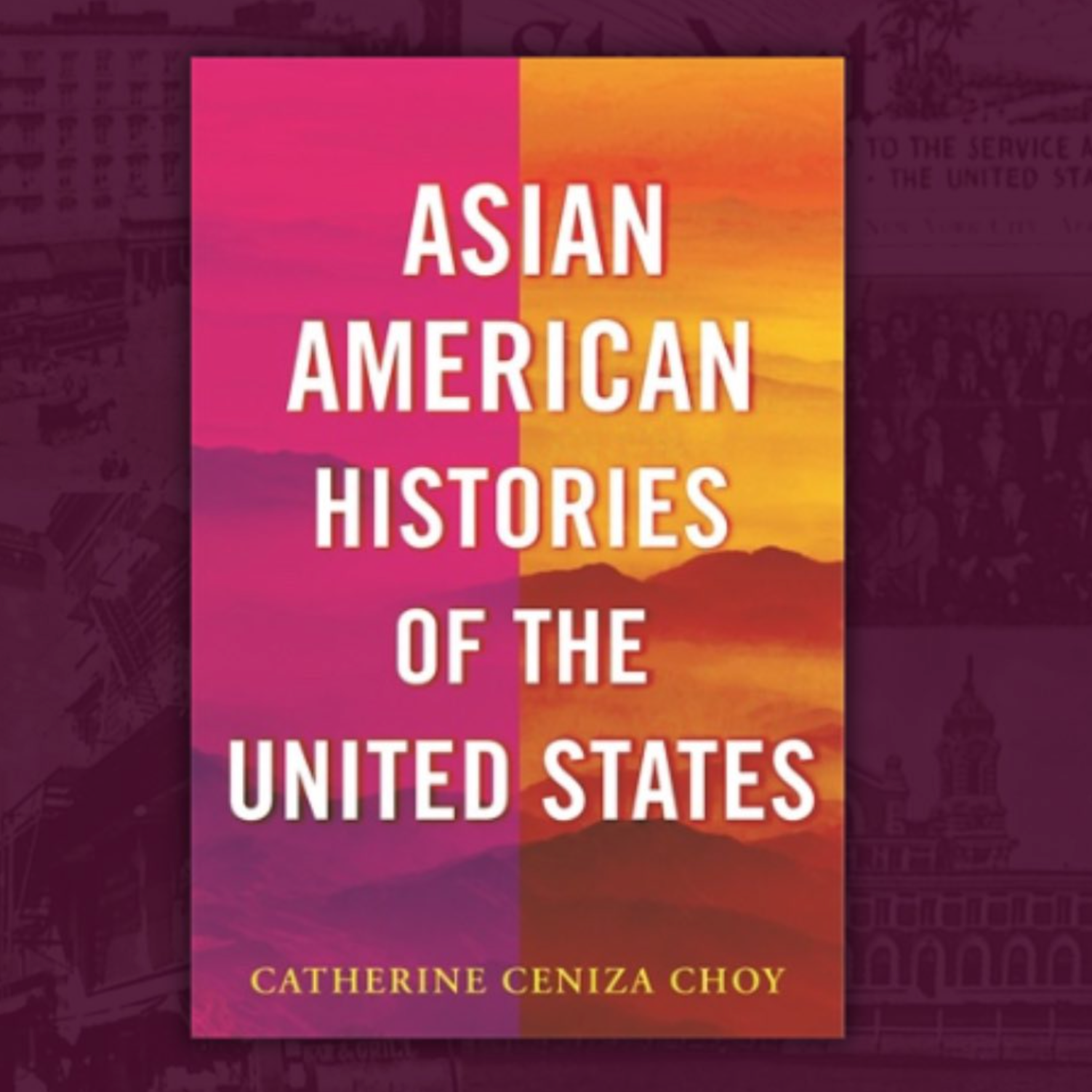
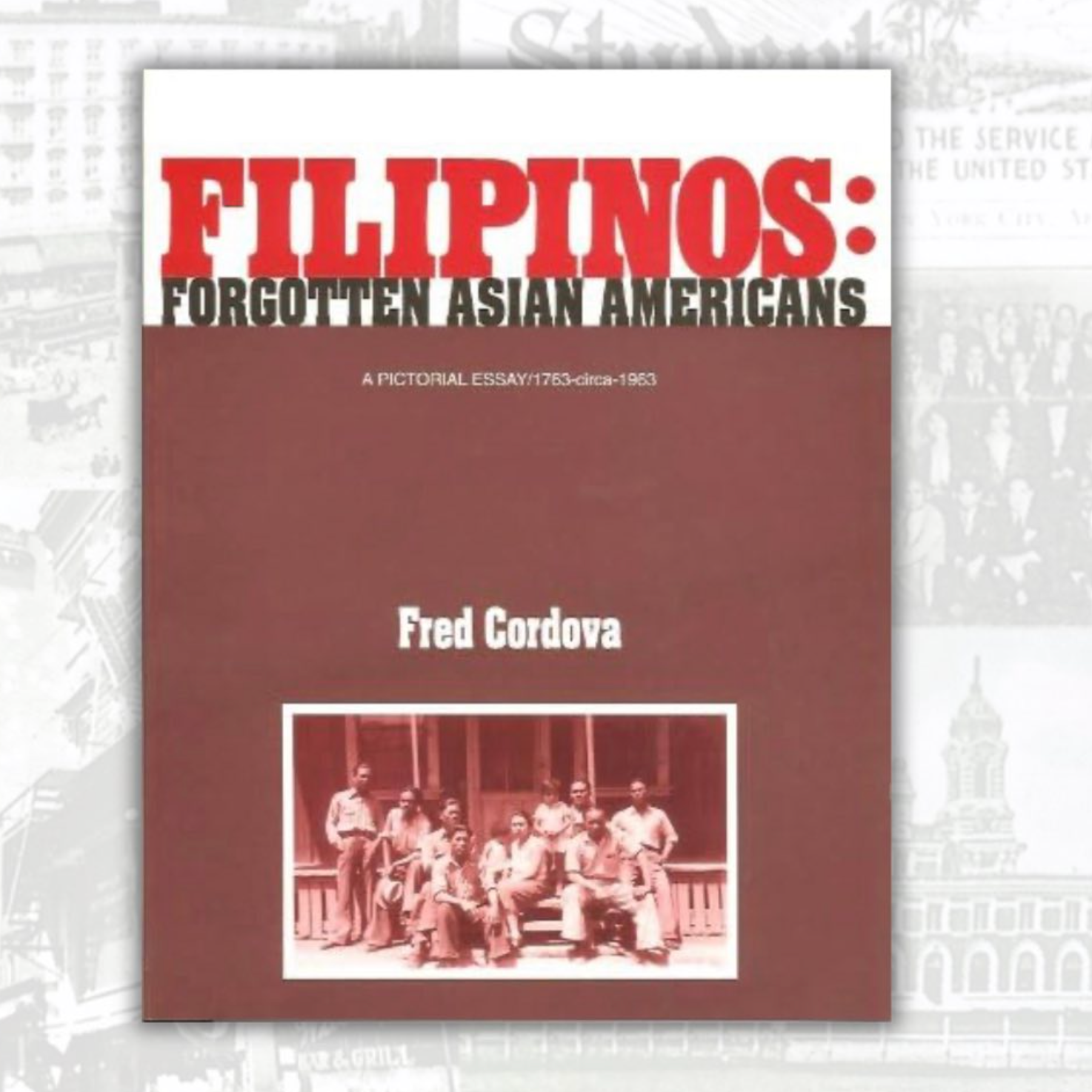
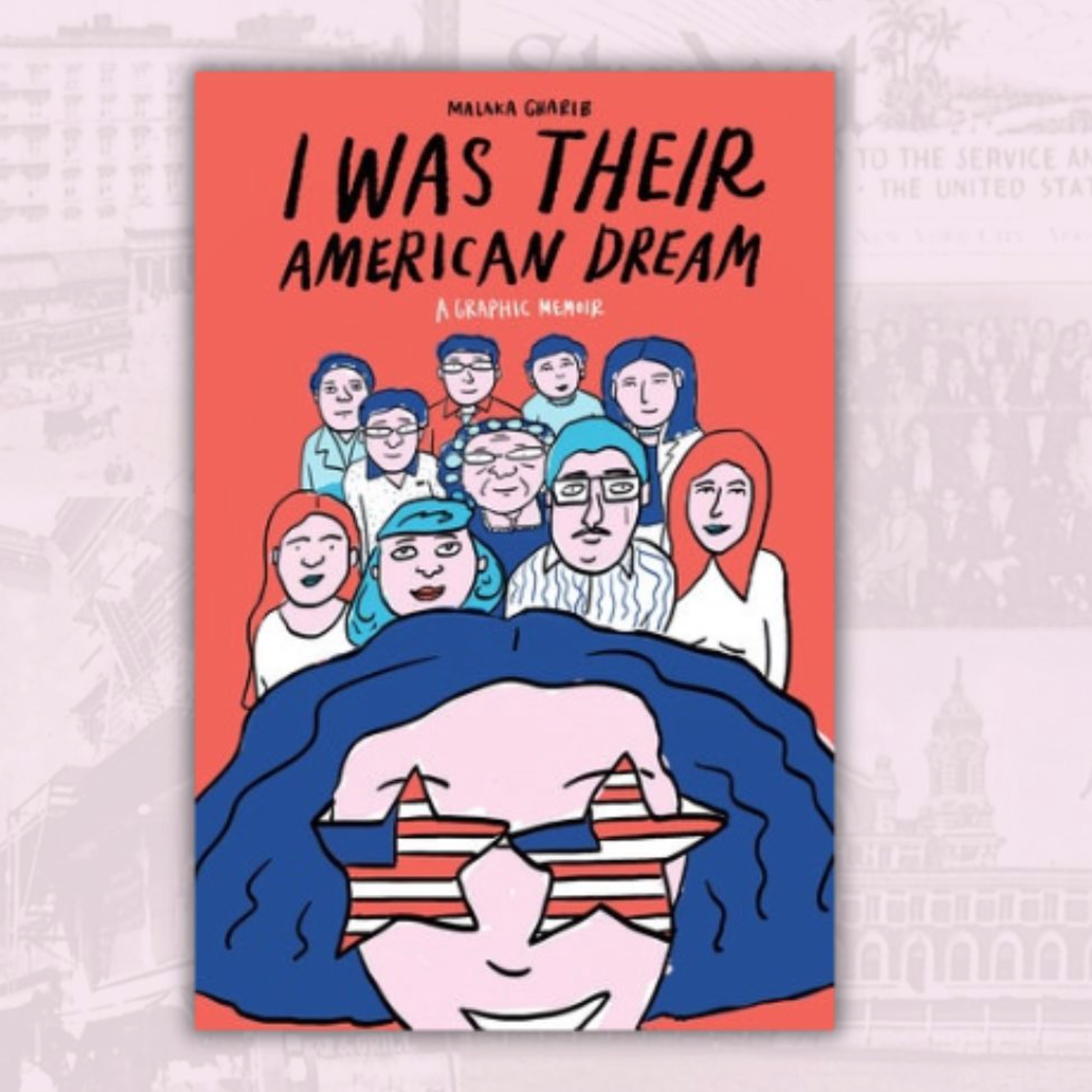
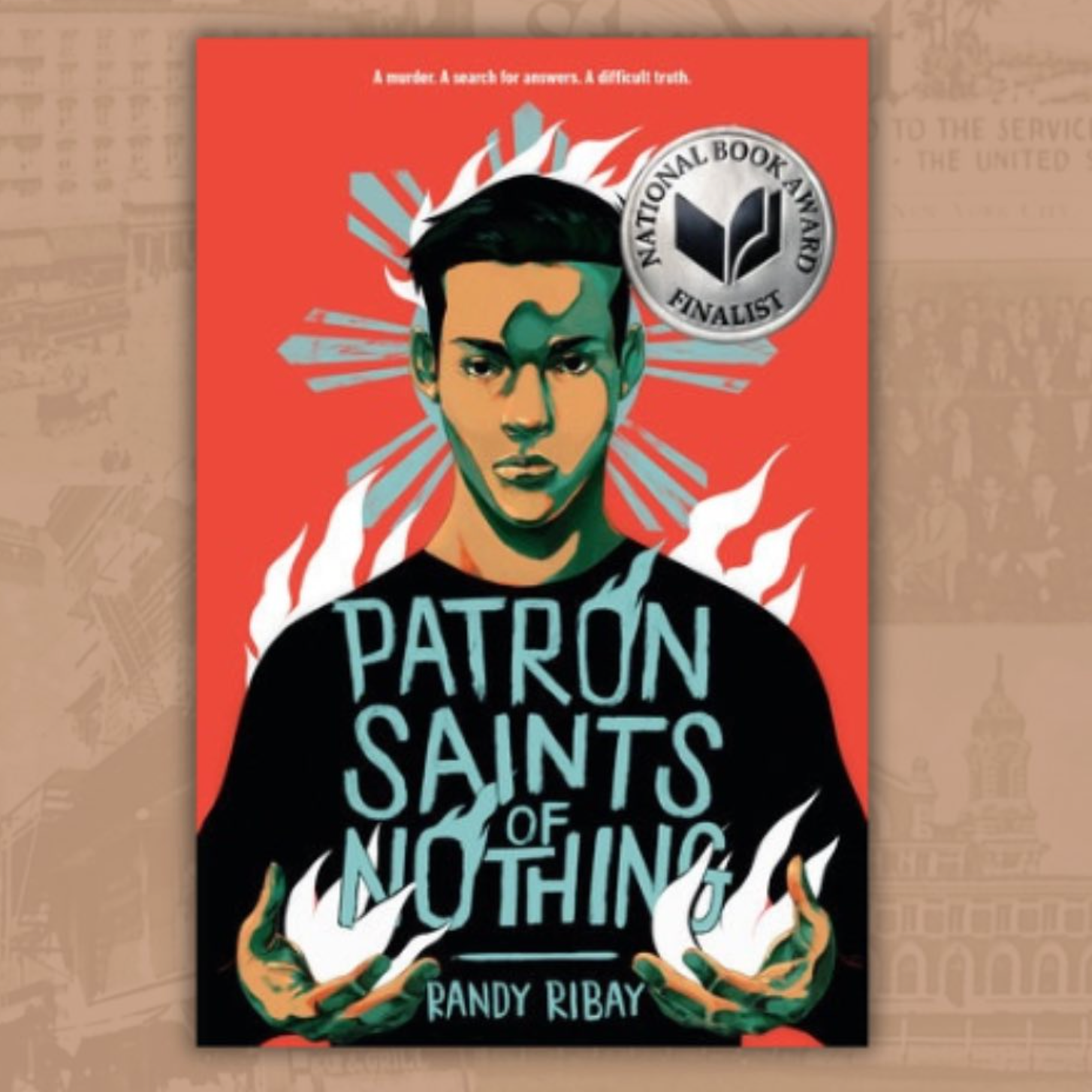
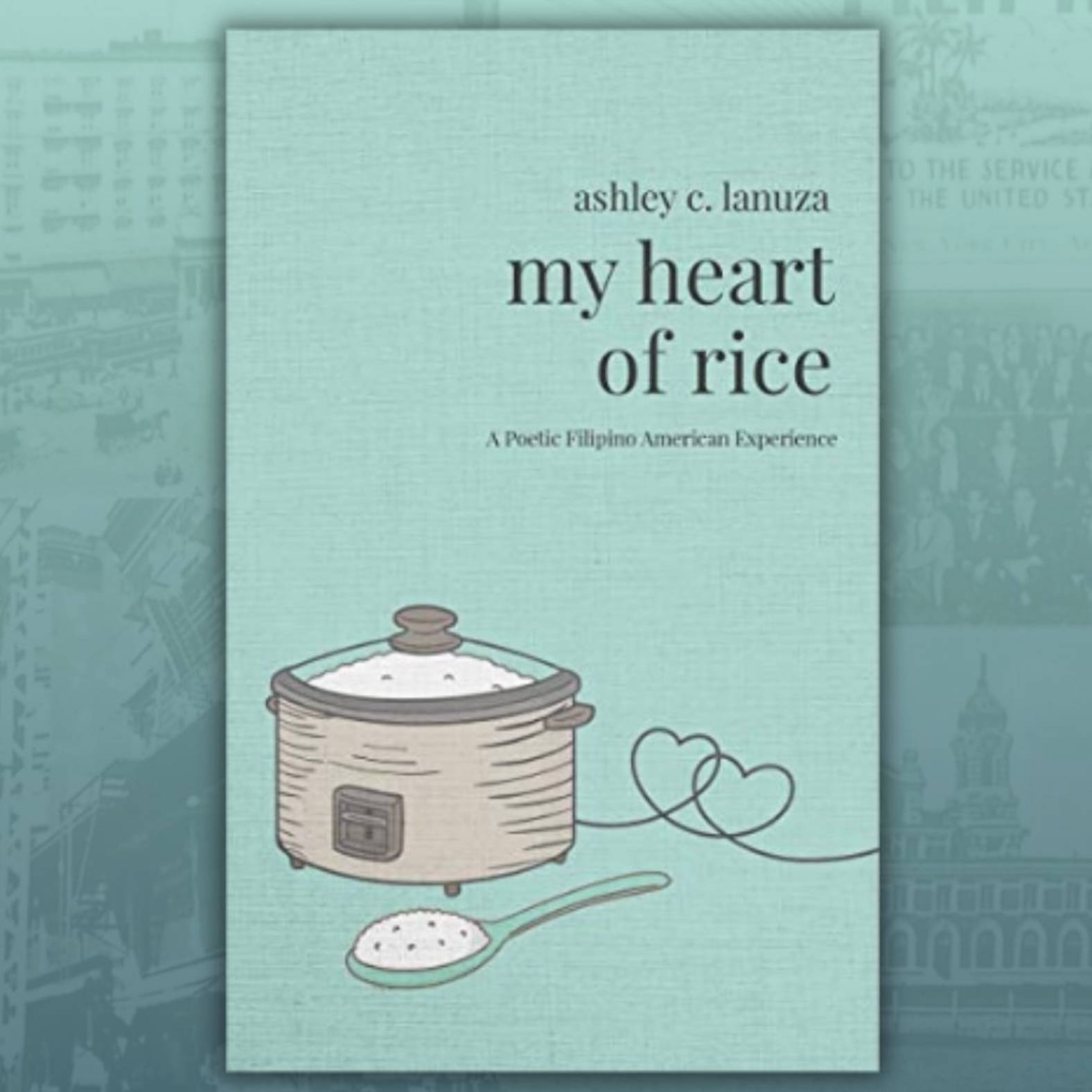
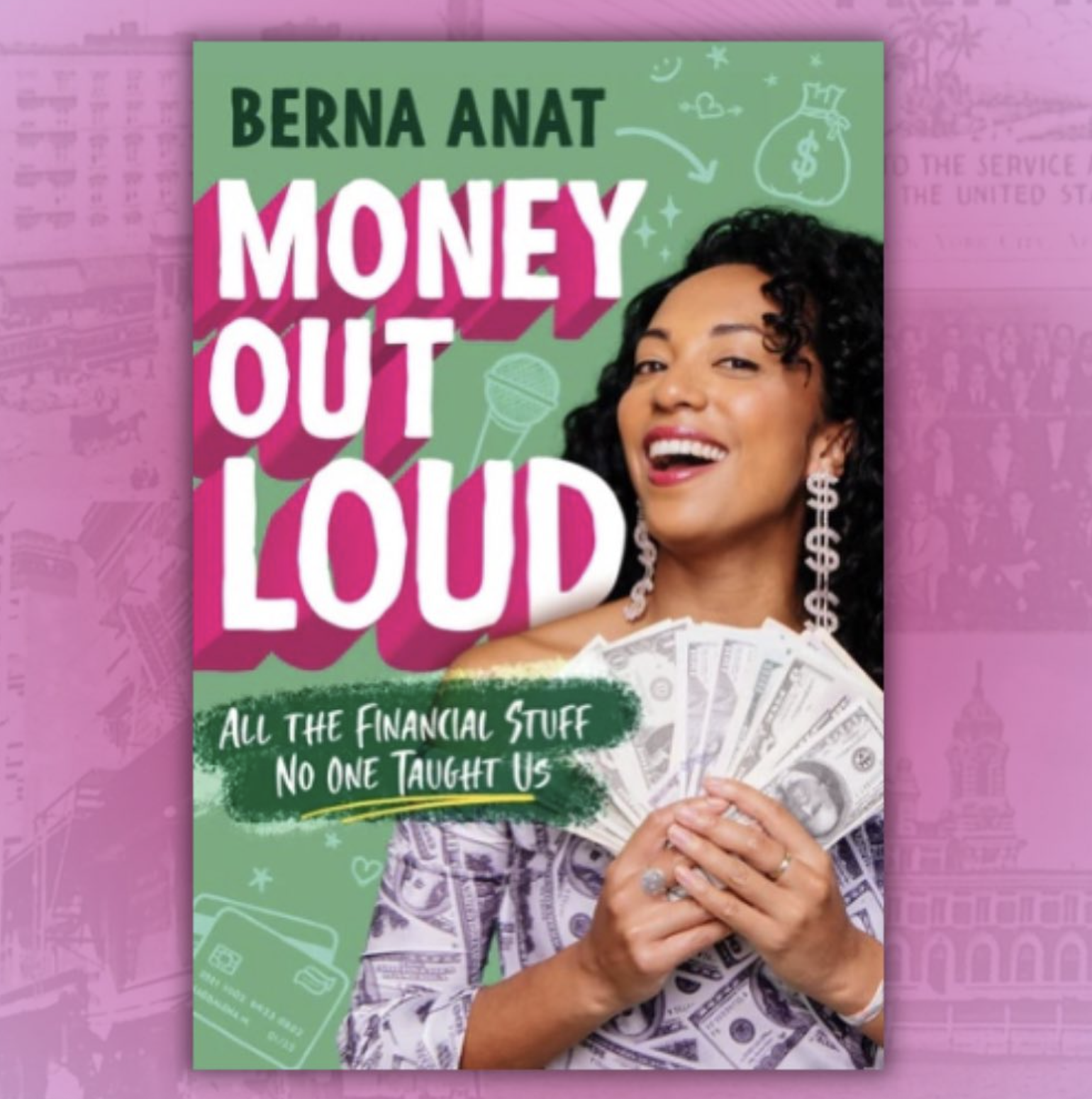
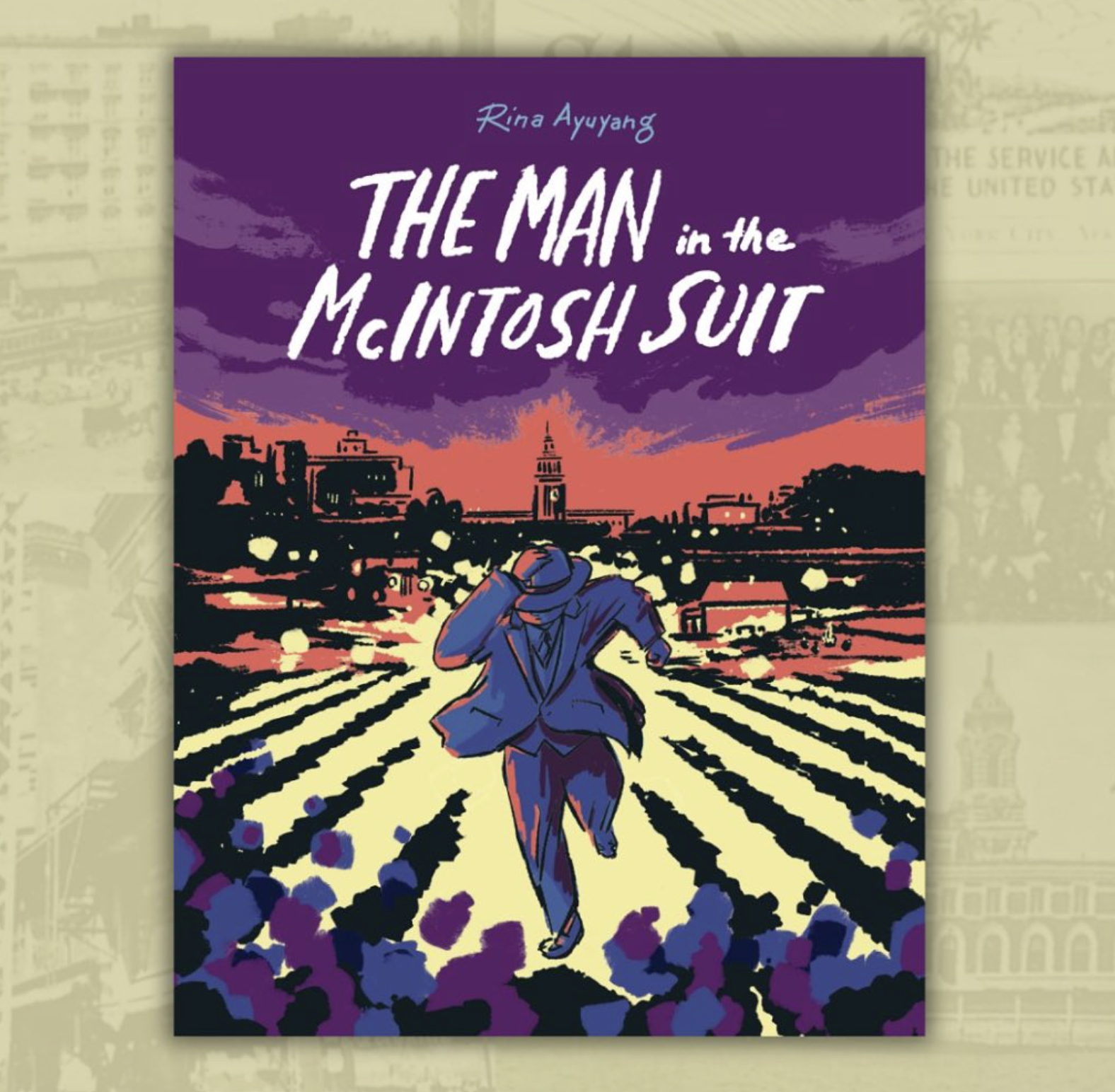
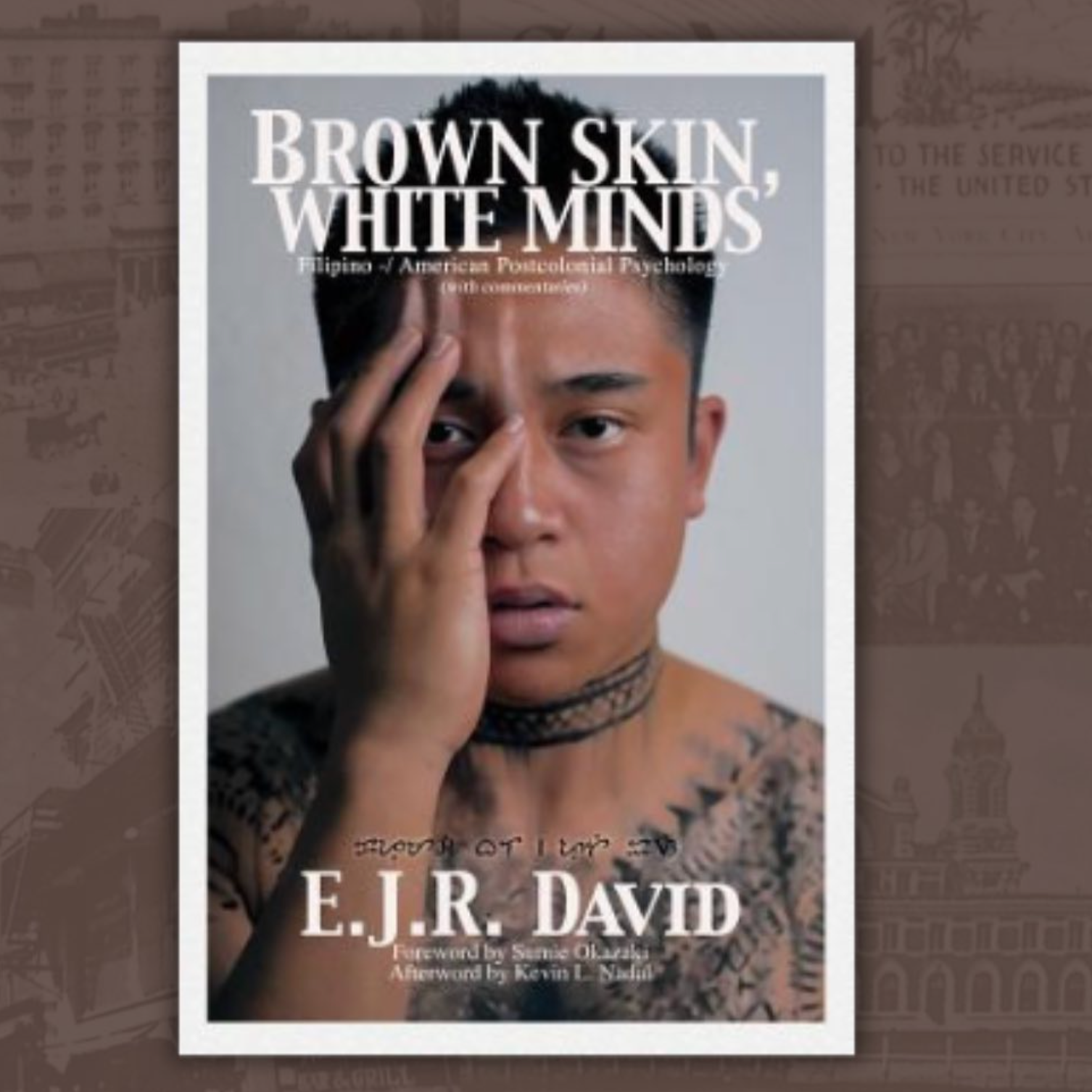
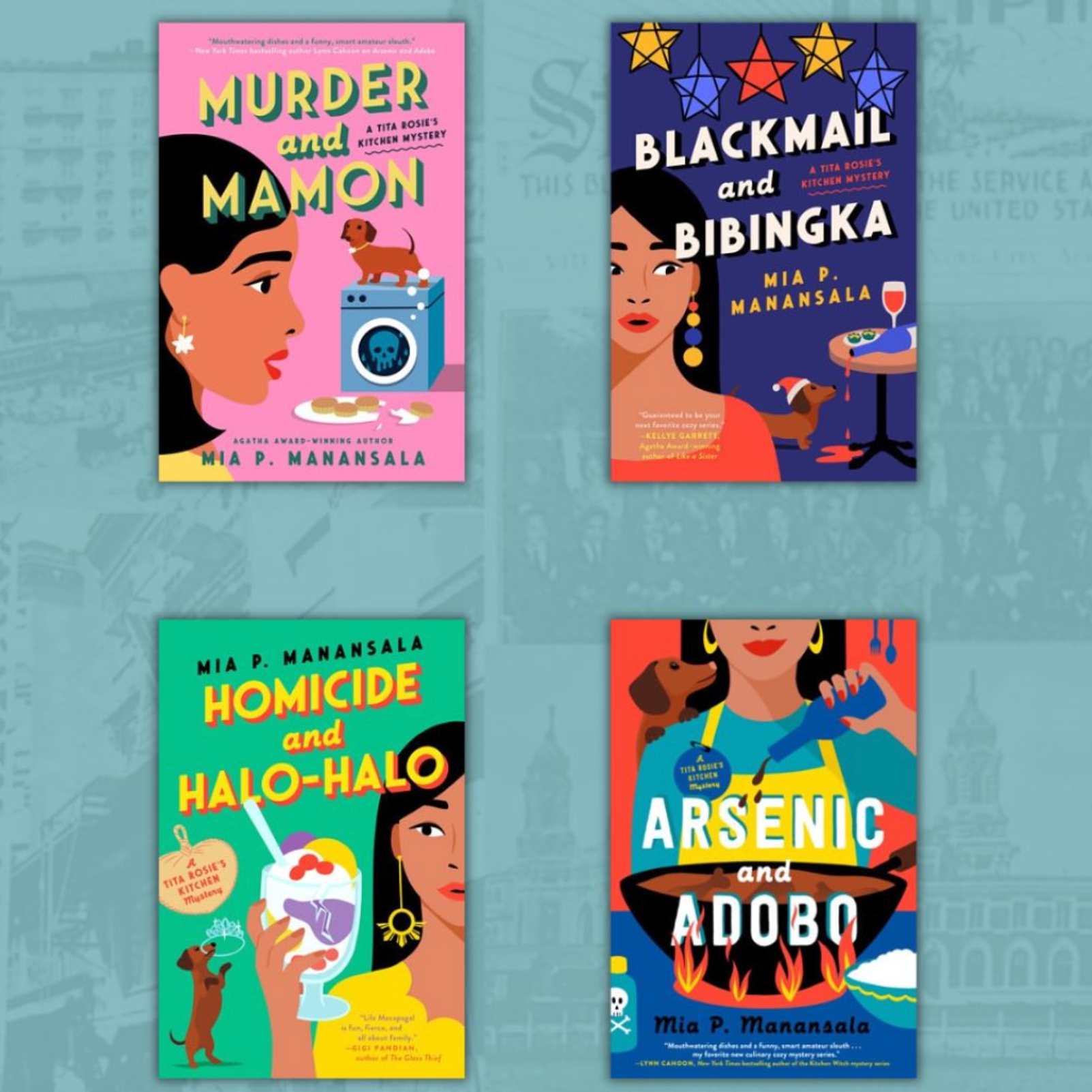
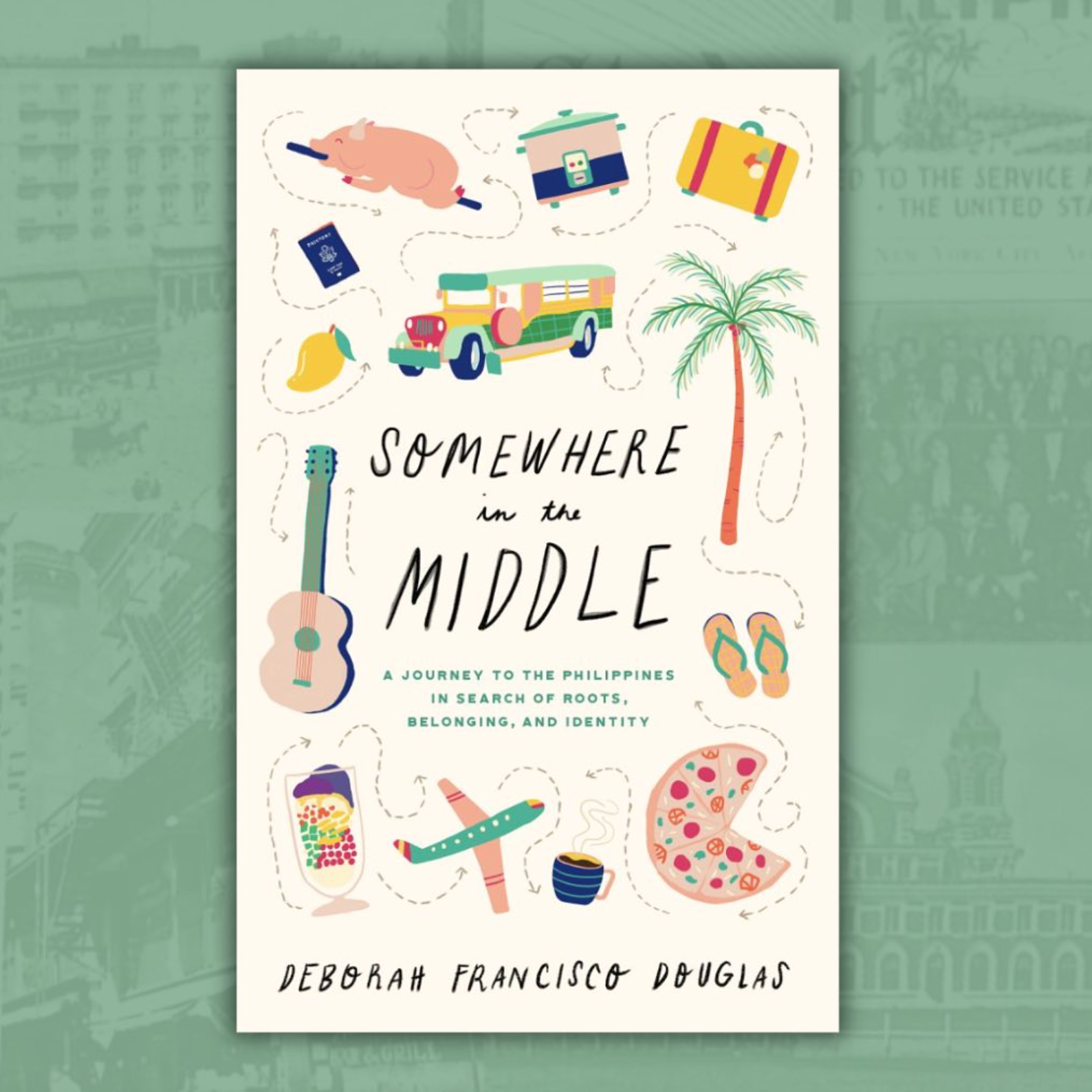
To celebrate fahm for 2023, we are showcasing books about or by Filipina/o/x Americans: